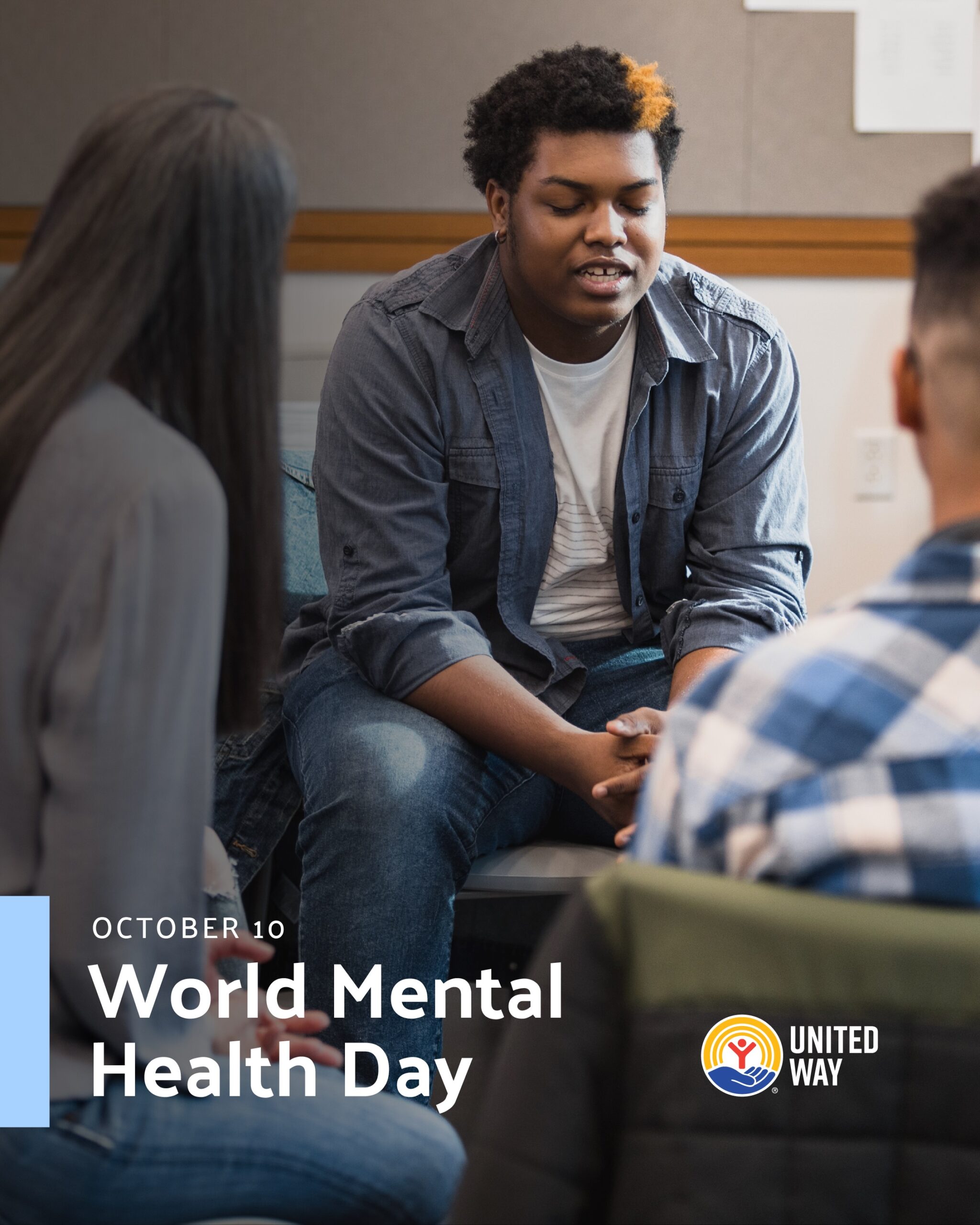
In recognition of World Mental Health Day — October 10, 2025
When we think about community health, we often picture food drives, afterschool programs, or access to medical care. But one essential piece connects them all: mental health.
This World Mental Health Day, the global theme is clear—“Mental health is a universal human right.” Everyone deserves access to the support, care, and compassion that make emotional well-being possible. And here in Virginia’s Blue Ridge, United Way and our partners are proving how strong communities can make that right a reality.
Mental Health Is the Foundation of Community Resiliency
A resilient community isn’t just one that bounces back from a storm—it’s one where people have the strength and stability to face life’s everyday challenges. When individuals are mentally well, families are stronger. When families are supported, neighborhoods thrive.
According to the National Alliance on Mental Illness (NAMI), 1 in 5 adults in the U.S. experiences a mental illness each year, yet far too many still struggle in silence. Access to community-based care, peer connection, and early intervention can make all the difference—not only for individuals, but for the entire community.
The Centers for Disease Control and Prevention (CDC) notes that prevention-focused, community-based programs build “upstream protective factors” that strengthen mental well-being and reduce the risk of crisis. In addition, the CDC highlights that social connection—feeling supported and engaged in community—has a measurable impact on both physical and mental health outcomes.
Simply put, when people feel connected and supported, they stay healthier—physically, emotionally, and socially.
How Local Programs Build Stability and Hope
At United Way of Virginia’s Blue Ridge, we invest in programs that connect people to the resources, relationships, and resilience they need to thrive.
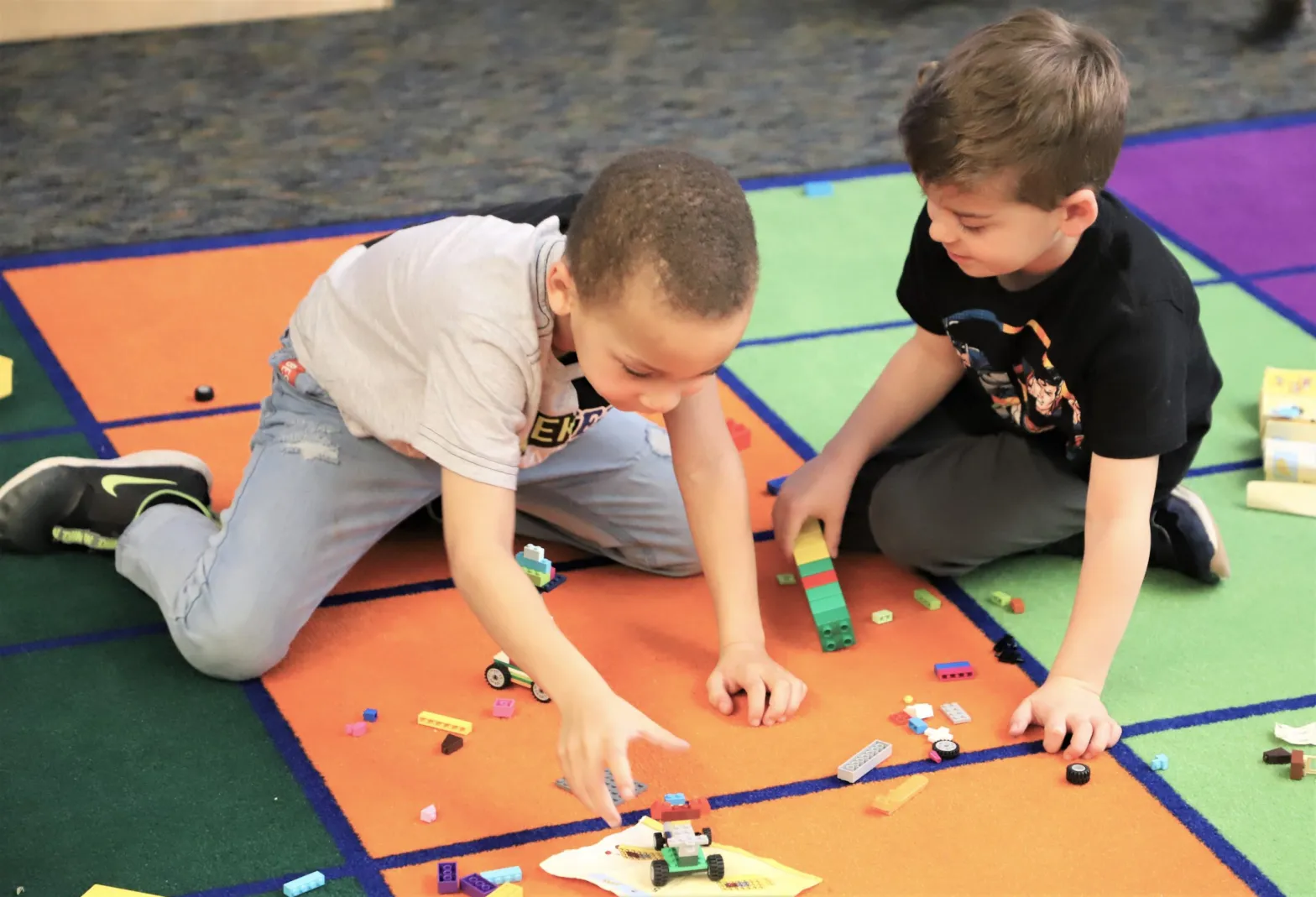
- Strong Youth, Strong Communities: Through our Strengthening Youth Opportunity Program (SYOP) initiative, we help young people access counseling, mentorship, and afterschool programs that foster belonging and confidence. These safe spaces allow youth to express themselves, build healthy relationships, and develop coping skills for life’s challenges.
- Community Health Workers (CHWs): Our network of Community Health Workers provides one-on-one guidance to neighbors navigating health and life challenges—from managing stress and chronic conditions to finding stable housing or food assistance. Many CHWs share lived experiences with the people they serve, creating a bridge of trust and understanding that can be life-changing.
These efforts reflect what experts call a “whole-of-society approach” to mental health—recognizing that wellness isn’t just about clinical care; it’s about connection, stability, and community support. This framework, described by Herrman et al. (2023) in World Psychiatry, emphasizes that meaningful progress on mental health requires collaboration across public health, education, employment, and social systems to strengthen well-being at every level of society.
A Right Worth Fighting For
Access to mental health care shouldn’t depend on income, zip code, or stigma. Yet in our community, many still face barriers to finding affordable counseling, transportation to appointments, or the time to focus on their own well-being while juggling work and family responsibilities.
By investing in United Way programs, you help break down those barriers. Your support ensures that:
- Children and teens can talk to caring adults before small problems become crises.
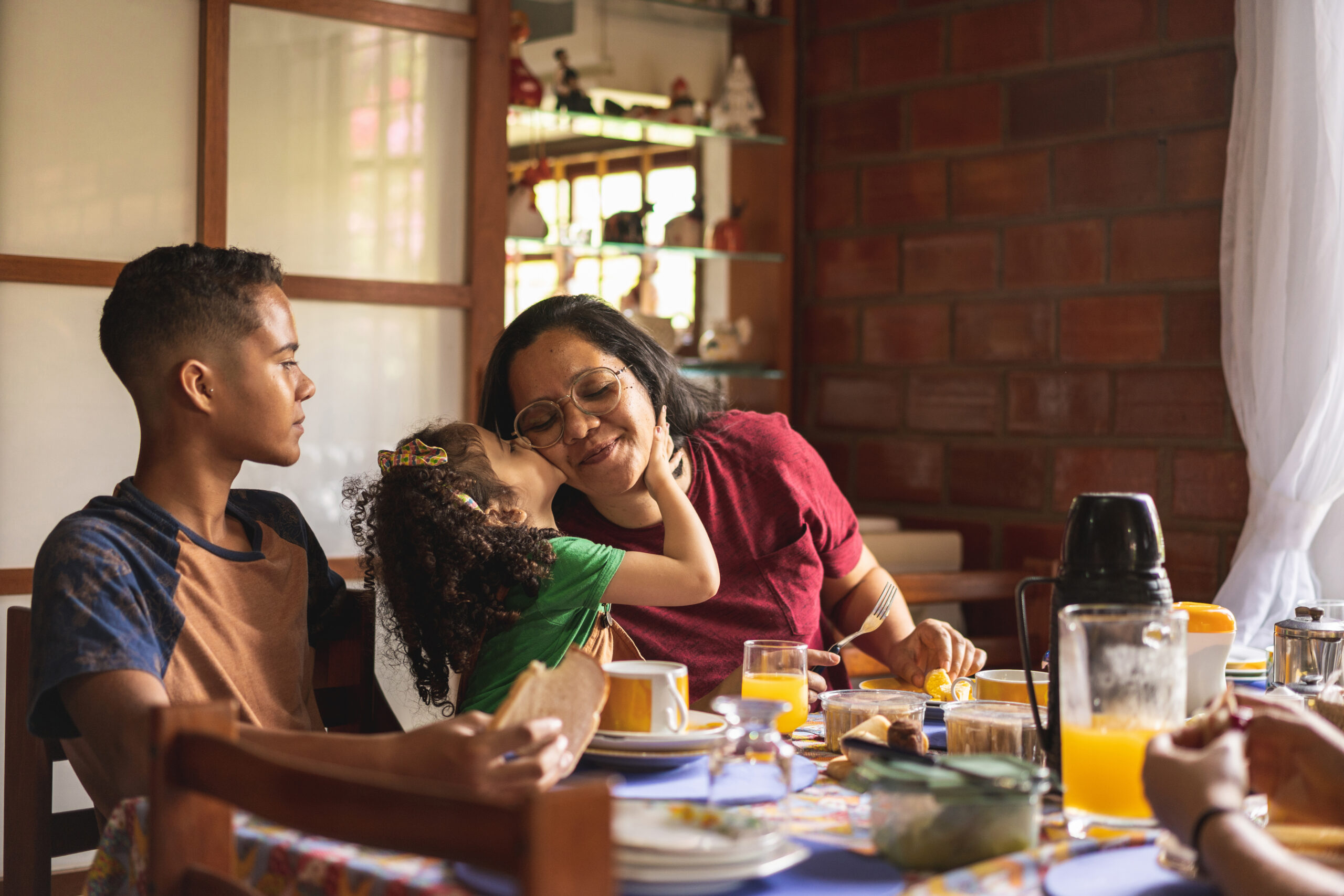
- Families can access mental health support close to home.
- Our community is equipped to respond with compassion when someone needs help.
Mental health is a universal human right—but it takes a united community to make it a reality.
How You Can Help
Every action counts.
Give: Your donations fund programs that connect neighbors to mental health and stability resources.
Volunteer: Join local projects that support youth, families, and community wellness.
Share: Start a conversation about mental health—it’s one of the most powerful ways to reduce stigma.
Together, we can build a community that’s not only resilient—but caring, connected, and mentally well.
Help strengthen our community’s mental health — Give, volunteer, or learn more at uwvbr.org.