Walk into an early childhood classroom and you’ll find a lot happening at once. A toddler is learning to express frustration. A preschooler is discovering how to work with a classmate. A teacher is guiding an activity while paying attention to the individual needs of every child. What looks like an ordinary day involves countless interactions that help shape how children learn and grow.
Early childhood educators need more than patience and creativity. Their work requires an understanding of child development, strong relationships with families, and the ability to create environments where children feel safe, supported, and curious. Just like the children they teach, educators benefit from opportunities to continue learning.
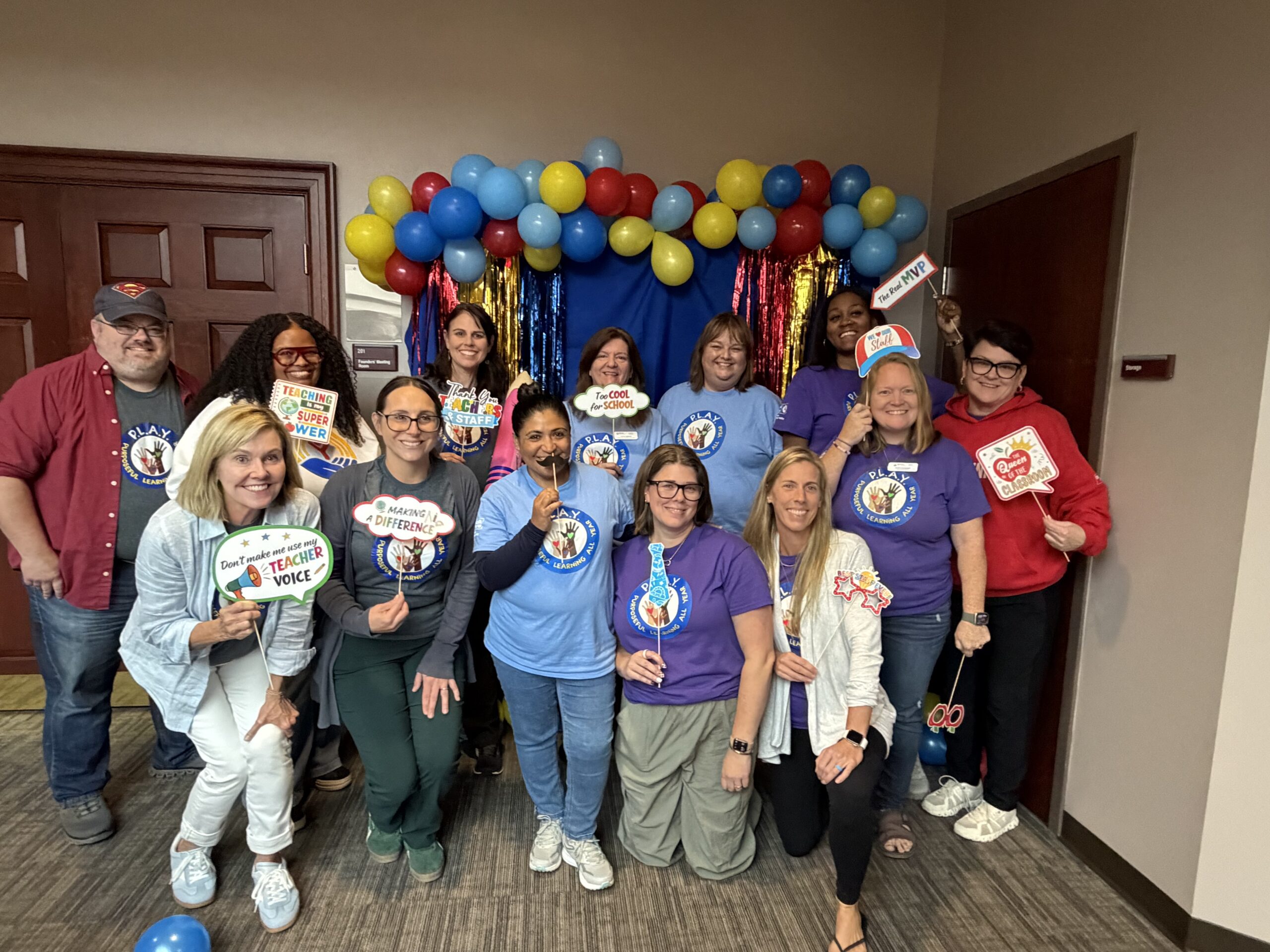
On October 17, early childhood professionals gathered at Roanoke College for the annual Purposeful Learning All Year (PLAY) Conference, organized by the Ready Region West team at United Way of Virginia’s Blue Ridge.


A Day of Learning and Connection
The conference opened with keynote speaker Amanda “Mandi” Boltinghouse, Community Engagement Specialist with Virginia Western Community College at the Roanoke EnVision Center. Her presentation, Playing to Win, Hyping to Elevate: The New Playbook for Impactful Leaders, explored how building trust, recognizing strengths, and encouraging others can strengthen leadership and teamwork.
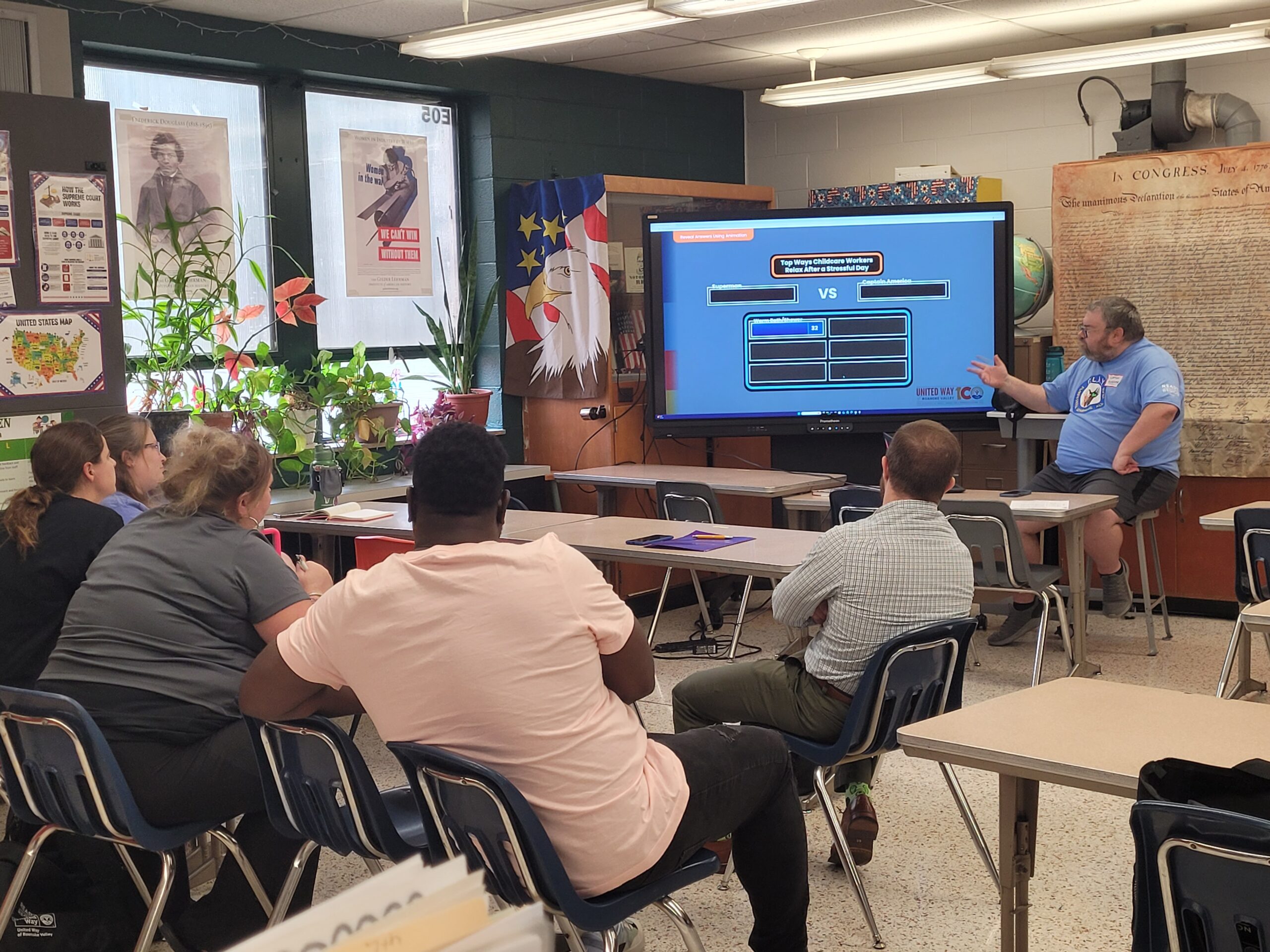
Throughout the day, participants could choose from sessions covering language development, classroom relationships, emotional well-being, leadership, and supporting children with different developmental needs. Workshops explored practical strategies educators could bring back to their classrooms, from encouraging communication through everyday conversations to helping young children navigate big emotions.
Several members of UWVBR’s Early Learning Strategies team also led sessions. Carla Helton explored how everyday classroom interactions can support preschoolers’ behavior and independence. Sarah Berry presented on early language development and empathy, while Lucia Gibson shared strategies for creating engaging environments for infants and toddlers. Hope Vaccaro and Hollie Harmon-Smith focused on responsive routines, relationships, and developmental screening.
Why Supporting Educators Matters
When we talk about early childhood education, the conversation often centers on whether families can find and afford childcare. While access is essential, the quality of children’s experiences once they’re in a classroom matters just as much.
Through Ready Region West, UWVBR works alongside educators, childcare providers, families, and community partners to strengthen both access to and the quality of early childhood care and education.
The PLAY Conference is one way that work takes shape. It gives educators opportunities to exchange ideas, strengthen professional relationships, and explore strategies that support children during their earliest years.
For an educator, that might mean discovering a new approach to a challenging classroom moment or finding a better way to support a child’s development. For children, those changes can lead to more positive interactions, stronger relationships, and learning environments that respond to their individual needs.
The Learning Continues
The conference may last only a day, but the ideas shared have the potential to influence countless classroom experiences. By supporting the people responsible for children’s earliest learning opportunities, UWVBR is helping strengthen the foundation for their future success.
And that’s an investment that reaches well beyond the classroom.