When families try to find childcare or early learning support, it’s not always simple.
There are long waitlists. Applications. Paperwork. And often, no clear place to start.
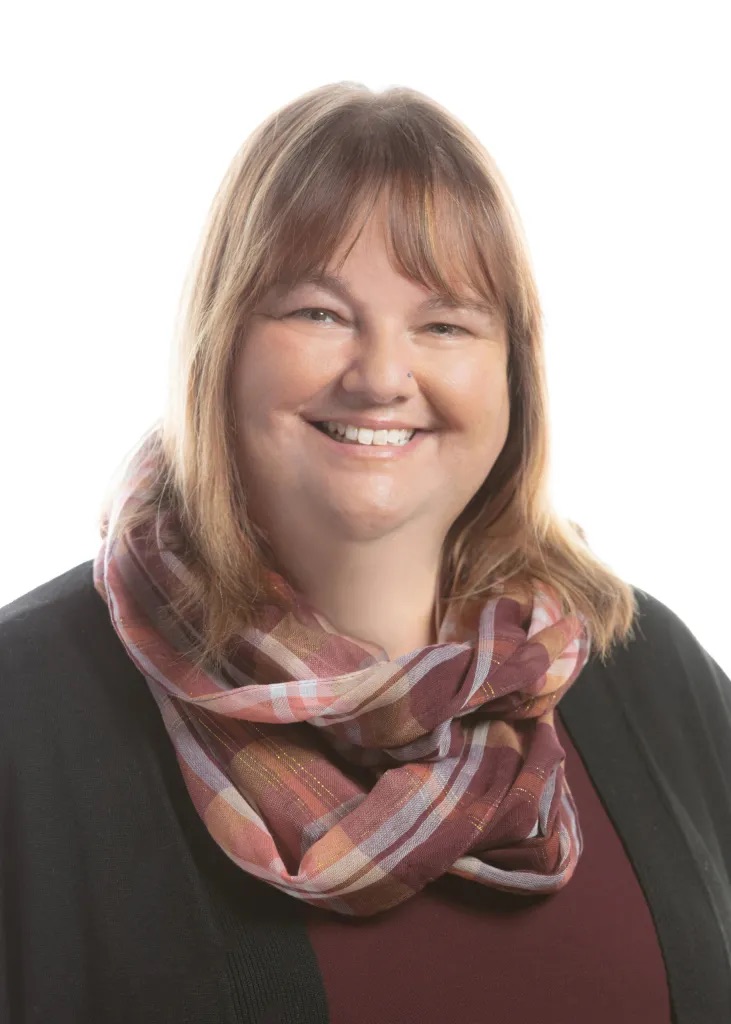
That’s where Hollie Harmon-Smith comes in.
Hollie is the Access and Engagement Coordinator at United Way of Virginia’s Blue Ridge. When asked to describe her role, she said, “I feel like I bridge the gaps… I’m kind of a connector between families and our partners.”
Her job is to help families find and understand the resources available to them—and actually use them.
Turning Information Into Something Families Can Use
Each day, Hollie meets with schools, childcare providers, and community partners. Then she takes what she learns and shares it back in a way families can understand.
“Basically, what I do every day is meetings and then taking the resources and information that is shared in in our meetings back to our partners, back to our families and making it digestible in a way that they understand it can use it and apply it. To whatever their community need is.”
Because one of the biggest challenges isn’t that help doesn’t exist.
It’s that families don’t always know where to find it or how to access it.
Before joining United Way, Hollie worked directly with children and families. She knew resources were out there. What surprised her was how many families didn’t know they could use them.
“I was amazed that families didn’t realize that they were able to access them… [there was a] huge disconnect.”
Why Access Comes First
At United Way of Virginia’s Blue Ridge and Ready Region West, we are deeply committed to quality early education.
But we also know that access has to come first.
Because without access, children can’t get the foundation they need and families don’t have the support they need to work, build stability, and move forward.
Hollie sees that reality every day.
“The process is time consuming. Wait lists are long… it can become like a really cumbersome process,” she said.
For many families, it’s not just one step, it’s many. And without support, it can be overwhelming to navigate.
It’s Not Just About Getting In
Hollie’s work doesn’t stop once a child is placed in a program.
It’s also about keeping families engaged—both inside and outside the classroom.
And that’s what where family engagement comes in.
“We work with sites and families… We offer resources and events like free activities or reading opportunities, or just things for parents to do with their children at home to reinforce and keep their kids engaged in the overall process.”
Because early education doesn’t just happen in a classroom—it continues at home, too.
But even that can be hard.
Parents are busy. Many are working full-time or managing multiple responsibilities.
“It’s easy to say, ‘I’m going to read my child, a bedtime story or I’m going to do this,’ but juggling full- time employment and academics, it’s tough and I think time constraints are hard.” Hollie said.
That’s why her work focuses on meeting families where they are and supporting them in realistic, everyday ways.
Building Relationships That Make It Work
A big part of Hollie’s role is building relationships—with families and with community partners.
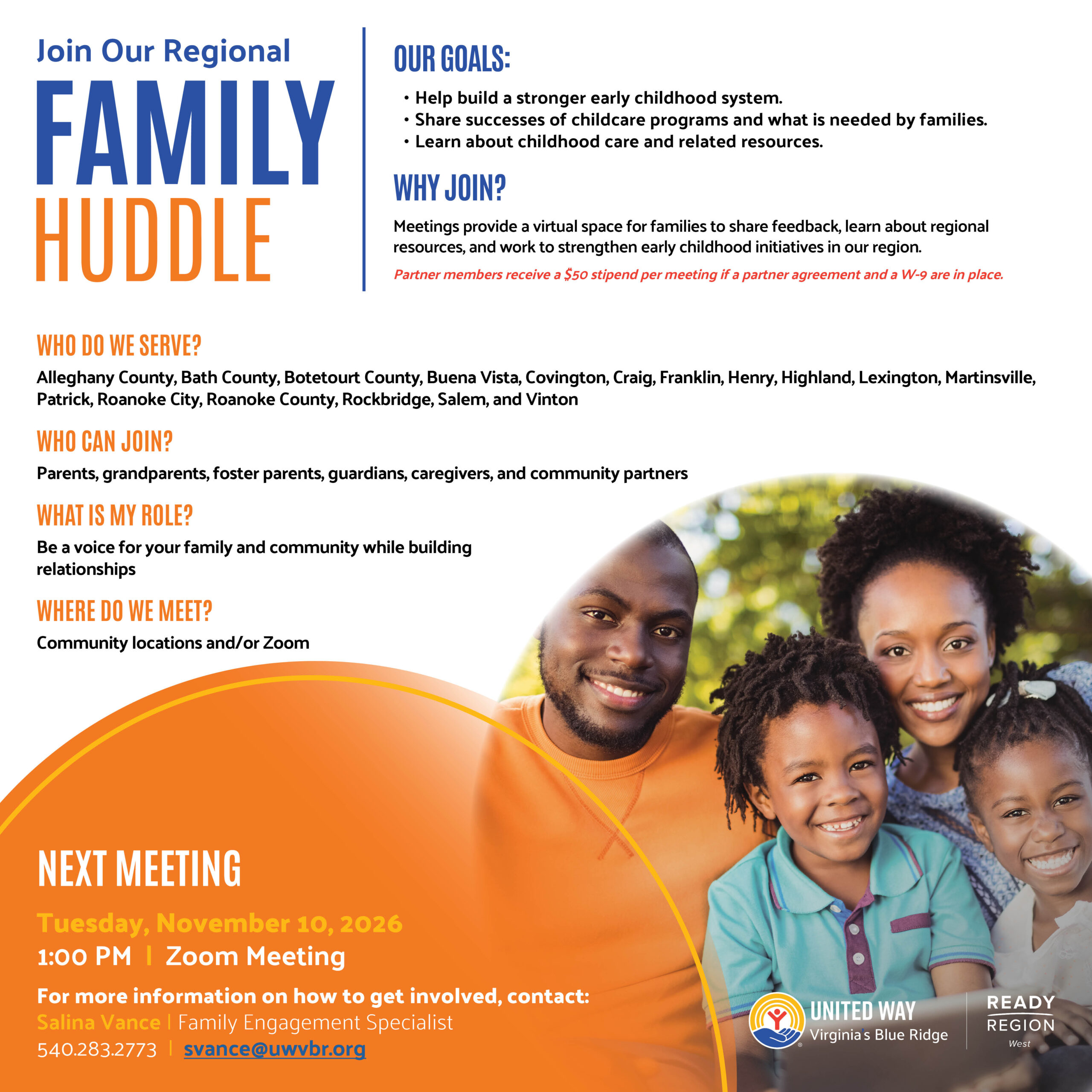
“About 85 percent of my work is relationship building. (A site’s) willingness to work with us in order to make this successful. We (work) really hard with them to ensure that the message is getting out, that the application process goes smoothly. But, if they’re not willing to work with us and us meet them where they are, then it wouldn’t be successful at all within the community. And that’s the same for family engagement. We’ve got to meet families where they are. We’ve got to know what they’re looking for. Our Regional Family Huddle meetings (are) chock full of those resources and are a time where people feel like they can connect.”
Because without trust and collaboration, the system doesn’t work.
When partners communicate and families feel supported, more children get connected to the care they need.
Hollie has seen what’s possible when that happens. She shared the story of a parent who came looking for childcare, got connected, and later became a leader—helping other families and advocating for early learning.
“It was really cool to see that full circle. Here is someone who had come looking for resources, unaware of what was available to them, took the time to chat with us and then wanted to be involved in the work. She’s now in a leadership role within our family huddle. She is a huge advocate for early learning. She is on a Virginia Promise Partnership committee. She was able to sub in on our family engagement interviews as we were identifying new people. That really made me think, people are listening, so we have to make sure what we’re telling people is accurate and inviting and encouraging. We have to make them excited about the work in order for them to want to participate in the work.”
Looking Ahead
When asked how she hopes this work impacts the next generation in our region? Hollie hopes for a future where families don’t have to struggle to find childcare.
“Tomorrow there would be no waitlists and children who wanted to access early childhood would be able to do so.”
She also hopes for stronger collaboration across the community—where organizations work together naturally to support families.
Because when families have access to early learning, everything else starts to fall into place.
And that doesn’t just help one child.
It strengthens the entire community.